
The Pearl Girls Ultimate
Pearl Buying Guide
Whether you’re buying your first strand or adding to a growing collection, this guide will help you choose pearls with confidence!
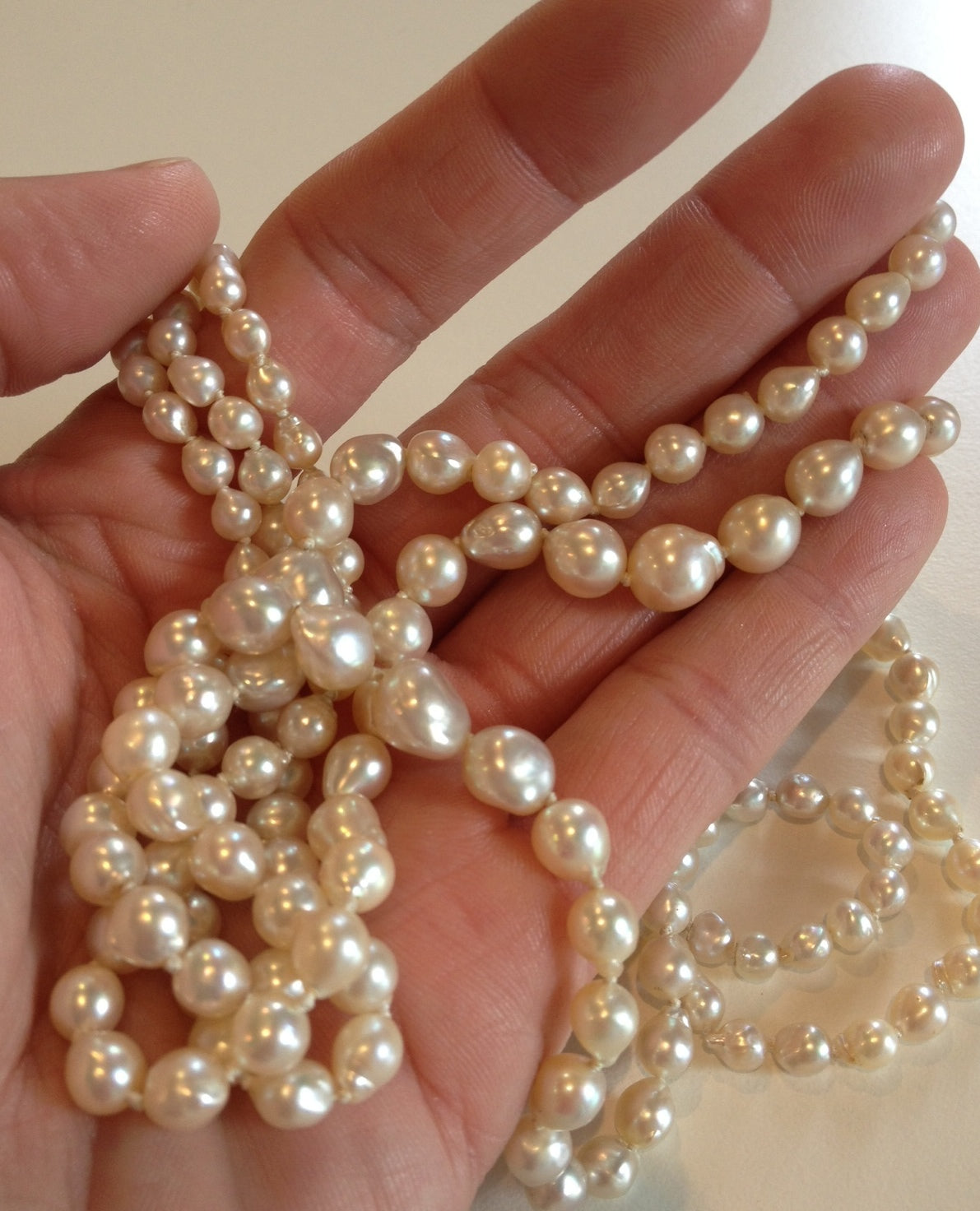
Welcome to the Pearl Girls!
We believe in pearls made for meaningful moments! Whether it is pearls for a young girl, a graduating, senior, a first job or a wedding, pearls are meant to commemorate life’s special events!
The Pearl Girls Founder, India Rows, was gifted with her first strand at 8 years old and she has worn those pearls to every significant event in her life. Talk about the longevity of pearls!
Pearls are so special, and purchasing pearls is a very important decision! We want to help guide you to the best info when deciding what pearls to buy! Here, India gives you a quick run down on pearls. If you need more info, please don’t hesitate to reach out.
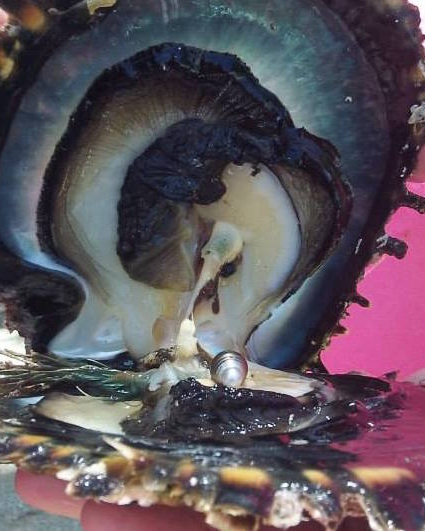
A real pearl is created by a living organism. You hear a lot about pearls made by oysters, clams, or mussels — any aquatic creature that can make its own shell can make a pearl. A pearl is made of the same material as the mollusk’s shell. It is called nacre!
When an irritant (like a shell, tiny parasite or organism) gets inside the soft tissue body of the mollusk, it reacts by coating the irritant with layers of nacre. Over time, this coating builds and builds until it forms a pearl.
So the first question is always: Is the pearl real?
Many years ago, people just didn’t have access to pearls. Even today some big retailers still sell them. They may call them “shell pearls,” “glass pearls,” or “crystal pearls,” but no matter what they’re called, an imitation pearl is man-made.
Natural vs. Cultured Pearls
Under the umbrella of real pearls, you’ll find two categories: natural pearls and cultured pearls.
- A natural pearl forms entirely on its own in nature when an irritant enters the mollusk.
- A cultured pearl forms the same way — but with a little help from humans. Pearl farmers carefully open the mollusk and insert an irritant (often a tiny piece of tissue from a donor mollusk). Sometimes, they also insert a mother-of-pearl bead to act as the pearl’s nucleus. When they put the mollusk back in the water, the mollusk again coats the nucleus repeatedly and forms a pearl.
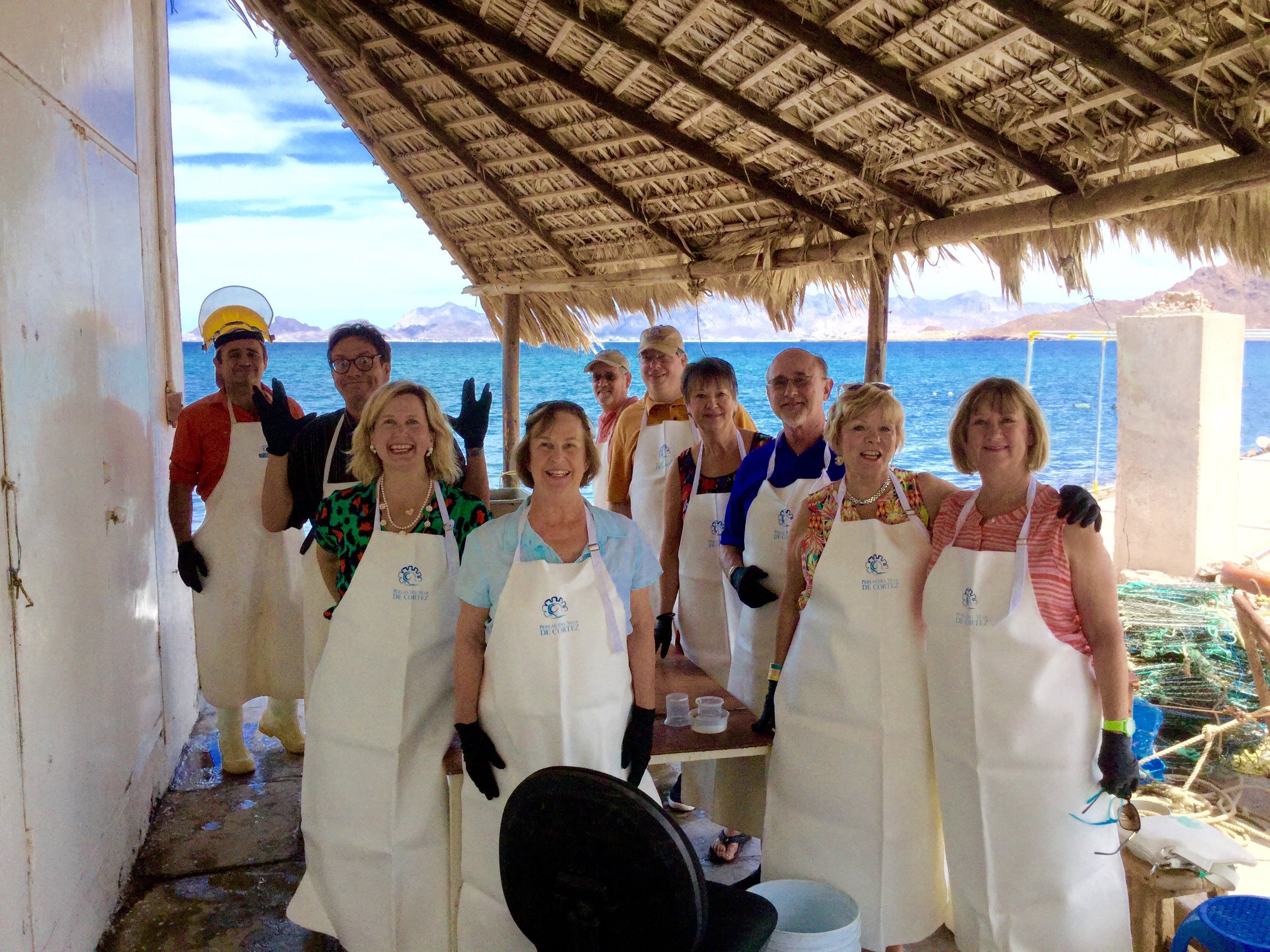
I travel the world hand-selecting pearls for The Pearl Girls collections. I love seeing the process of culturing pearls first-hand and let me tell you, each pearl farm cultures pearls in their own unique way. It is a marvel!
Natural pearls are pretty amazing, too! I once found a natural pearl in the shape of a snail shell. I have often wondered… was that snail the irritant that entered the mussel’s soft tissue body? You never know what irritant forms the nucleus of a natural pearl. In fact, Abby, The Pearl Girls Head of Production, does not like drilling natural pearls! She says she never knows what is inside that pearl!
One other thing to note… Although a mollusk might produce a “natural” pearl during the process of culturing pearls, if humans have intervened at any point, it’s still considered a cultured pearl.
Understanding
Pearl Quality
The shine! Luster is a very important factor — it’s what gives pearls their glow. A high luster means the pearl will look beautiful for years. But, watch out! I have seen luster painted on, in the form of glossy clear fingernail polish! Also, South Sea pearls are not known for high luster but they are still incredibly beautiful! So are Tahitians. So, luster in amazing but a high luster usually comes from colder waters. Tropical pearls are not as shiny but they are still so beautiful!
When shopping for pearls, look for clean surfaces. Tiny marks are natural, but fewer blemishes mean higher value.
We’ve seen multi-thousand-dollar pearls with visible imperfections — the cleaner ones are worth even more. But, high dollar pearls may only be accessible if they have a lot of imperfections. I once bought a strand of Tahitians from a catalog to see what a $400 strand of Tahitians would look like. The color was so dull and the surface quality was horrible! I sent them back! But, that was the trade off – a Tahitian pearl necklace for less. And that came at a cost to the pearl nacre.
If all quality factors are the same, the pearl closest to round will be the more valuable pearl. Remember, these are organic gems — nature doesn’t always make perfect spheres. But round isn’t the only shape! Button, drop, semi-baroque and baroque are all different shapes and each one is beautiful and unique.
Size is an interesting one! The size of a pearl is a measure of its diameter, which is written in millimeters. At The Pearl Girls we sell all different sizes of white cultured pearls. We love our baby pearls (2-3mm in diameter) and we find many pearl farmers refuse to culture such small pearls! And because is the supply is low, the price can get high.
Bigger pearls usually mean higher prices because they take longer to form. So, size matters but only due to your preference! Some people love small pearls and some people love larger ones. I believe this partiality is based on style and body type! The more common sizes (and more universally appealing) 6 and 7mm are easier to find!
Pearl color is another matter of preference and skin tone may play into your preference with color. Also, color can tell you where the pearls come from… as long as they are not dyed. This is the number one thing I would ask when buying colored pearls… is this color natural or is it dyed. White is by far the most popular pearl color at The Pearl Girls!
Why Trust Matters
The most important factor of all? Trust your source.
When I started The Pearl Girls in 2006, I we sold wholesale to jewelry stores all over the U.S. Often, their sales staff would call us to learn why pearls are valued the way they are — because not everyone selling pearls actually knows pearls!
I love sharing my knowledge with others! And I love telling people I have a degree in Pearls! What a conversation starter!
Over the years I have seen jewelers in Dubai selling shell pearls as genuine cultured pearls, and a resort in Fiji passing off imitation opals as real. No one wants to invest in something fake — and I don’t want that for you either.
So, know your source. Just because a piece of jewelry comes in a fancy box with a fancy label doesn’t mean the pearls inside are genuine.